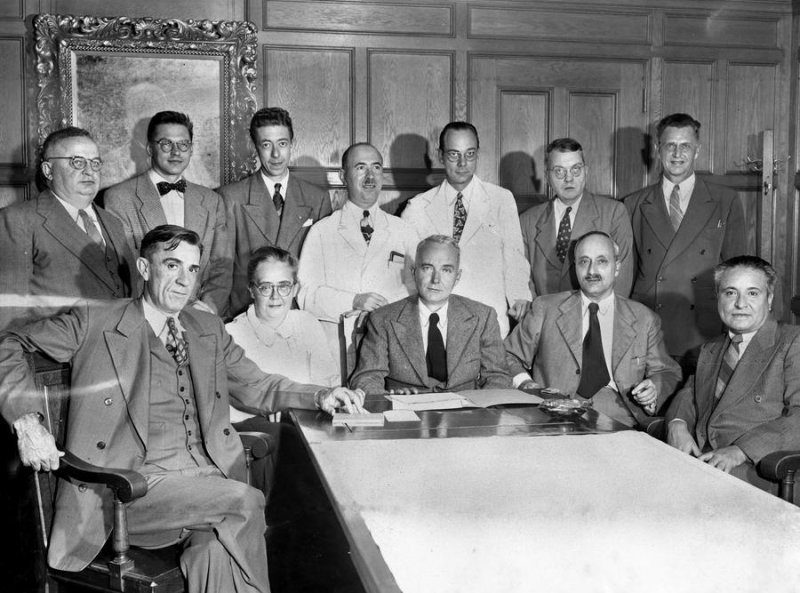
All of these photos are from the University of Chicago
Photographic Archive. The
approximate dates of the photographs are given when known. The image
identifier number of each of the photos is provided to comply with the
terms of the copyright holder.
|
| Commentary
by Robert Roskoski Jr. Class of 1964 |
 |
 |
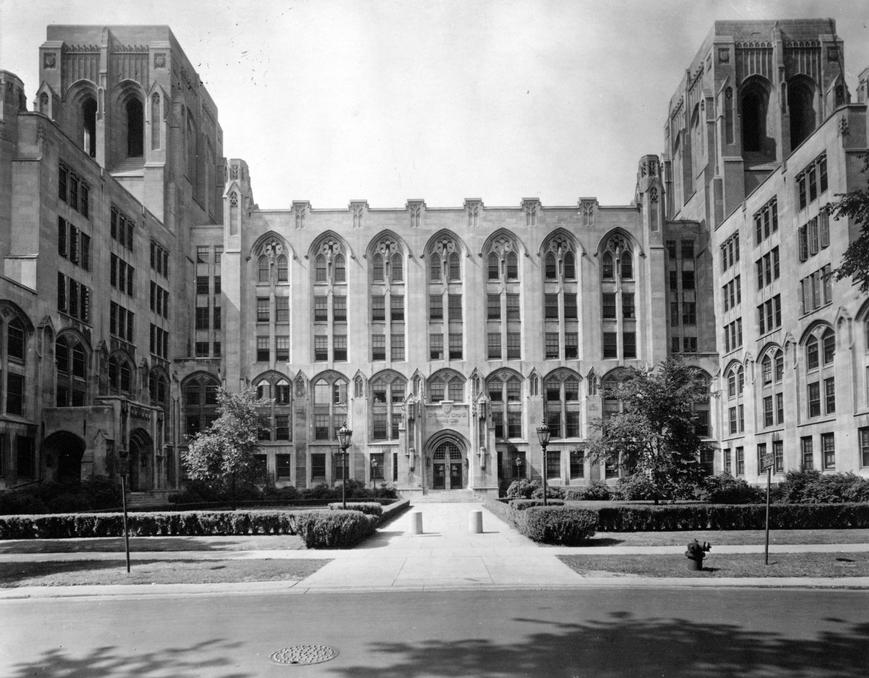
Albert Merritt Billings Hospital
| Architect |
Coolidge & Hodgdon |
| Completion Date |
1927 |
| Location |
950 E. 59th Street | University of Chicago, Chicago,
Illinois |
| Campus Grid |
A23 |
| Collection |
Archival Photographic Files |
| Repository |
University of Chicago Library, Special Collections
Research Center |
| Image Identifier |
apf2-00784 |
|
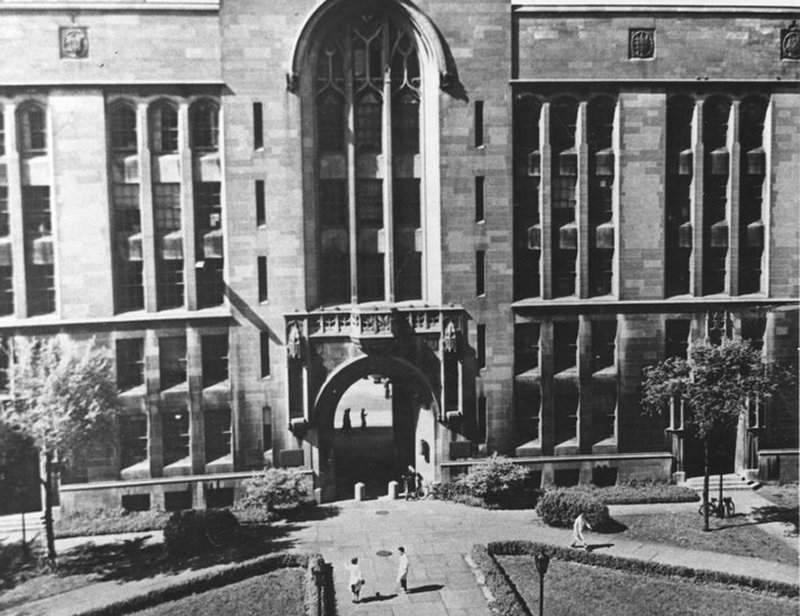
Abbott Memorial Hall
| Architect |
Coolidge & Hodgdon |
| Completion Date |
1927 |
| Location |
947-951 E. 58th Street | University of
Chicago, Chicago, Illinois |
| Campus Grid |
A15 |
| Collection |
Archival Photographic Files |
| Repository |
University of Chicago Library, Special
Collections Research Center |
| Image Identifier |
apf2-00031 |
|
 |
|
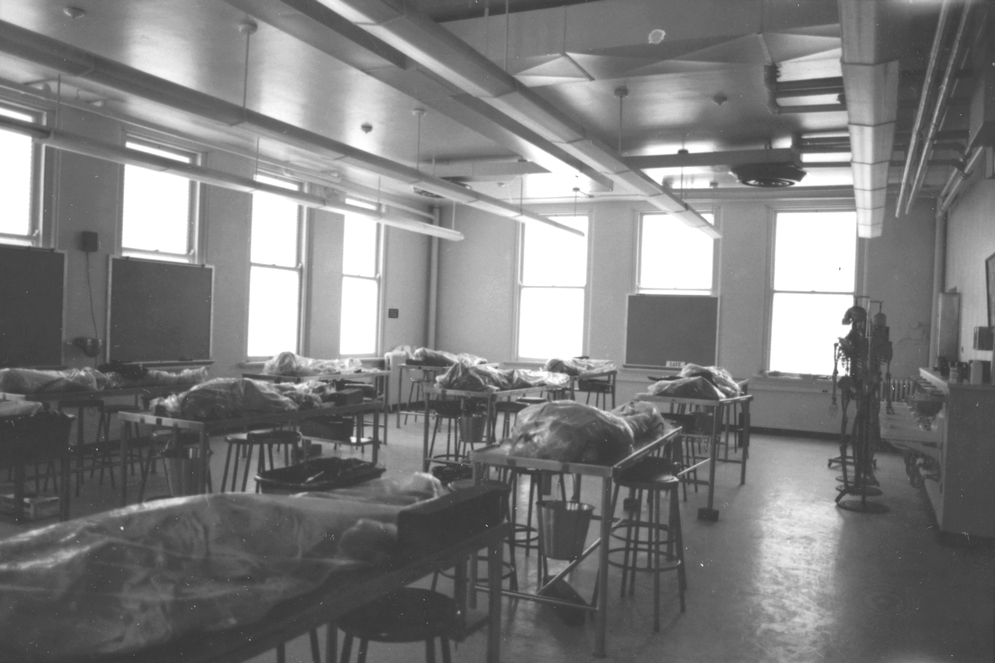
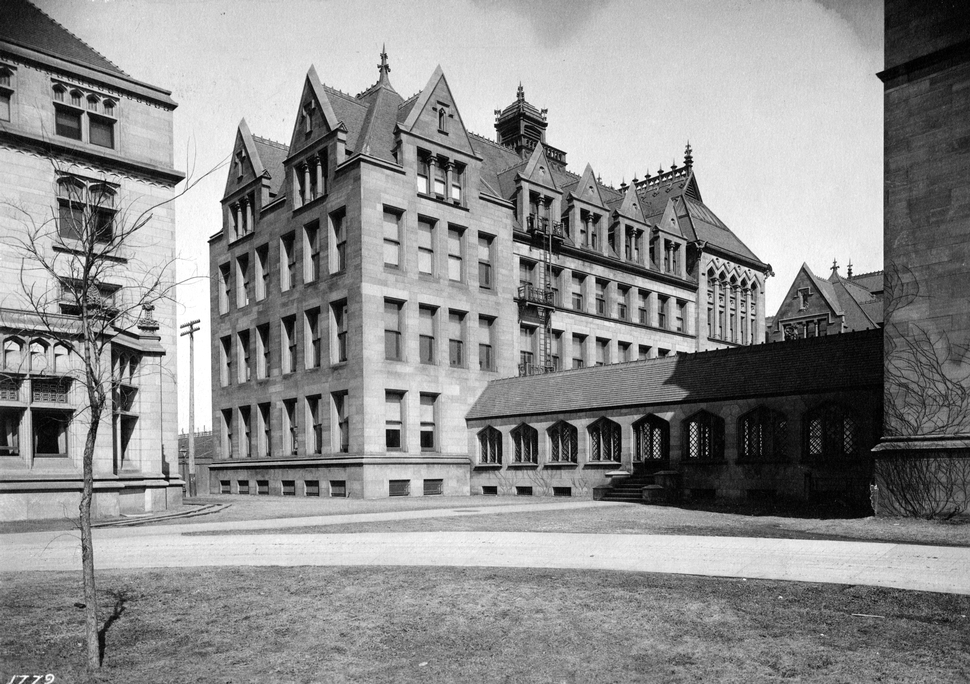
Anatomy Laboratory
| Architect |
Cobb, Henry Ives, 1859-1931 |
| Completion Date |
1897 |
| Location |
1027 E. 57th Street | University of Chicago, Chicago,
Illinois |
| Campus Grid |
D06 |
| Collection |
Archival Photographic Files |
| Repository |
University of Chicago Library, Special Collections
Research Center |
| Image Identifier |
apf2-00314 |
|
Anatomy Building
| Architect |
Cobb, Henry Ives, 1859-1931 |
| Completion Date |
1897 |
| Location |
1027 E. 57th Street | University of Chicago, Chicago,
Illinois |
| Campus Grid |
D06 |
| Collection |
Archival Photographic Files |
| Repository |
University of Chicago Library, Special Collections
Research Center |
| Image Identifier |
apf2-00305 |
|
|
|
|
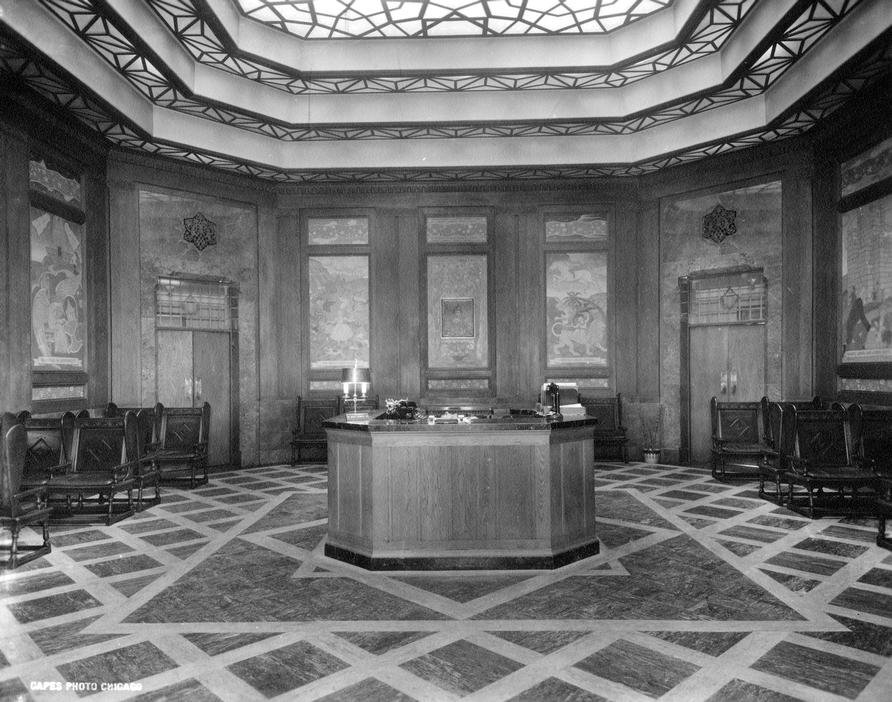
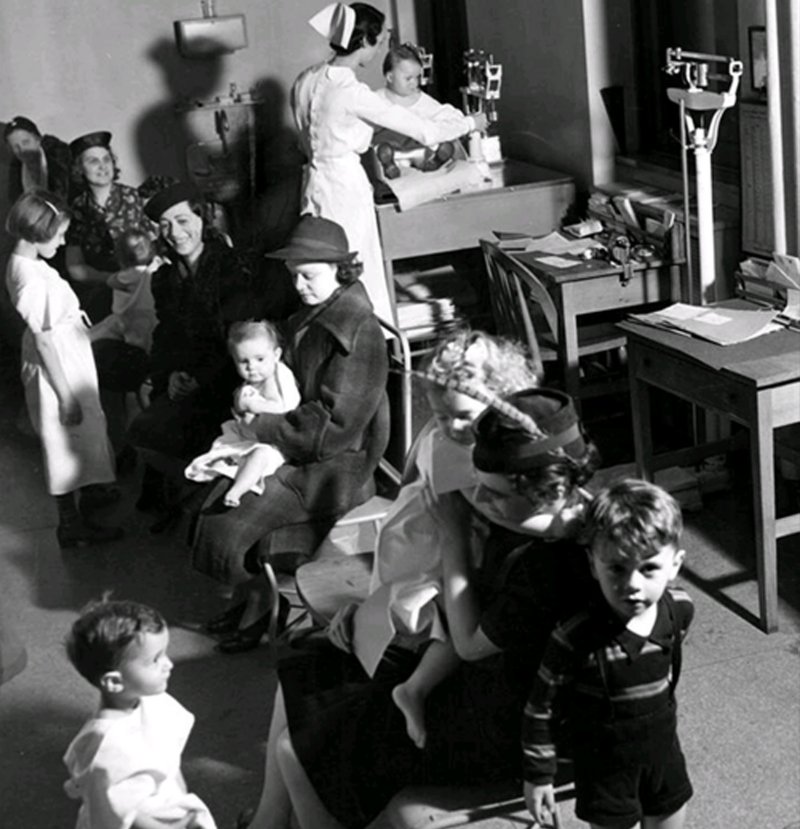
Bobs Roberts Rotunda. I saw my first patient here during
the second semester of sophomore year during our introduction to
clinical medicine. The male boy in the so-called "well-baby"
clinic had a history of Osgood-Schlatter disease. I was distraught
because I had studied so hard (I thought) and my first
"patient" had a disease that I'd never heard of. How could
this be? Although I had read Robbin's Pathology from cover-to-cover, it
wasn't mentioned. Fortunately this benign disorder was included in
Nelson's Textbook of Pediatrics, which I read in the rotunda at the time
and I began to slowly recover from my intellectual shortcoming.
Afterwards, I went back to Steiner's lab in biochemistry where I was
also a student and told a technician (Judy King) about this incident. It
turned out that she knew all about this disease because she had also
suffered from it as a child: Osgood-Schlatter, two; Roskoski, zero. In
case you can find a copy of Nelson's Text circa 1962, check the index
for the entry entitled "Birds, for the, pp. 1-1137", which was
provided by Nelson's daughter. The chief editor of the current Robbins
textbook is Vinay Kumar, Chairman of Pathology, University of Chicago.
| Architect |
Coolidge & Hodgdon |
| Completion Date |
1930 |
| Location |
920 E. 59th Street | University of Chicago, Chicago,
Illinois |
| Campus Grid |
A24 |
| Collection |
Archival Photographic Files |
| Repository |
University of Chicago Library, Special Collections
Research Center |
| Image Identifier |
apf2-00939 |
|
Chicago Lying In Hospital
| Completion Date |
1931 |
| Location |
5841 S. Maryland Avenue | University of Chicago, Chicago,
Illinois |
| Campus Grid |
A27 |
| Collection |
Archival Photographic Files |
| Repository |
University of Chicago Library, Special Collections Research
Center |
| Image Identifier |
apf2-01524 |
|
|
|
|
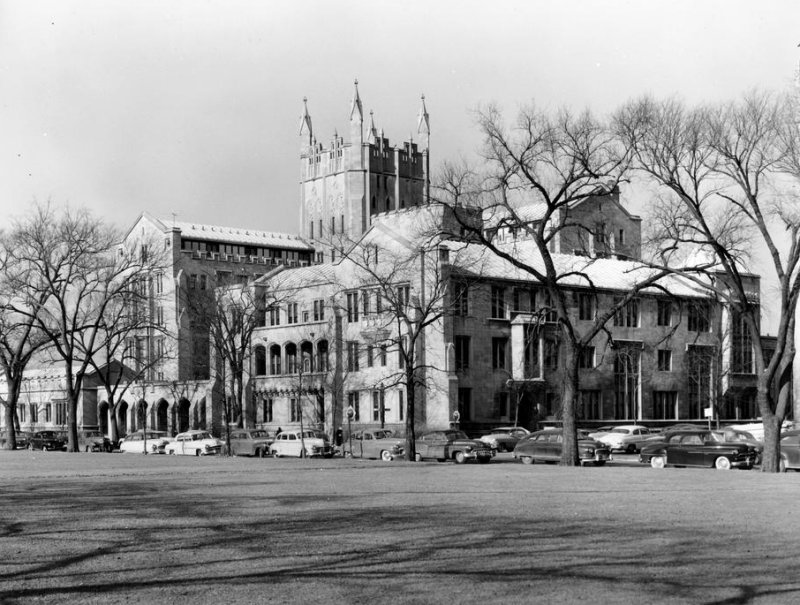
Bobs Roberts Hospital
| Completion Date |
1930 |
| Location |
920 E. 59th Street | University of Chicago, Chicago, Illinois |
| Campus Grid |
A24 |
| Collection |
Archival Photographic Files |
| Repository |
University of Chicago Library, Special Collections Research
Center |
| Image Identifier |
apf2-00960 |
|
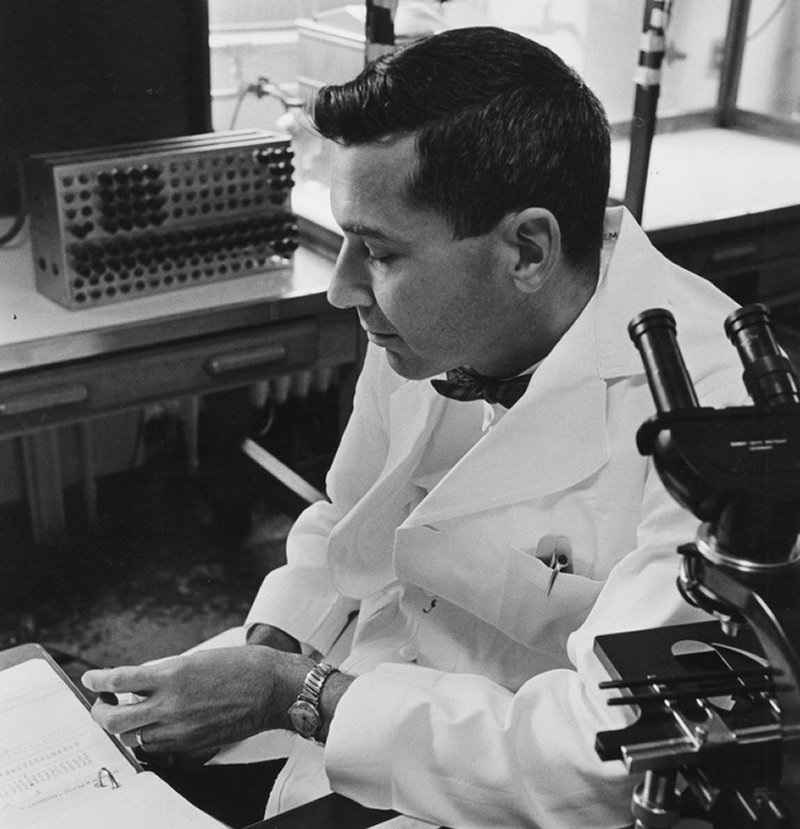
Marc Oliver Beem, Professor of Pediatrics; note that
Archie Lieberman was our class photographer
| Photographer |
Lieberman, Archie, 1926-2008 |
| Photograph Date |
1963 |
| Physical Format |
Photographic prints; 34.1 x 22.6 cm |
| Location |
Chicago, Illinois |
| Collection |
Archival Photographic Files |
| Repository |
University of Chicago Library, Special Collections
Research Center |
| Image Identifier |
apf1-00488 |
|
|
|
|
|
|
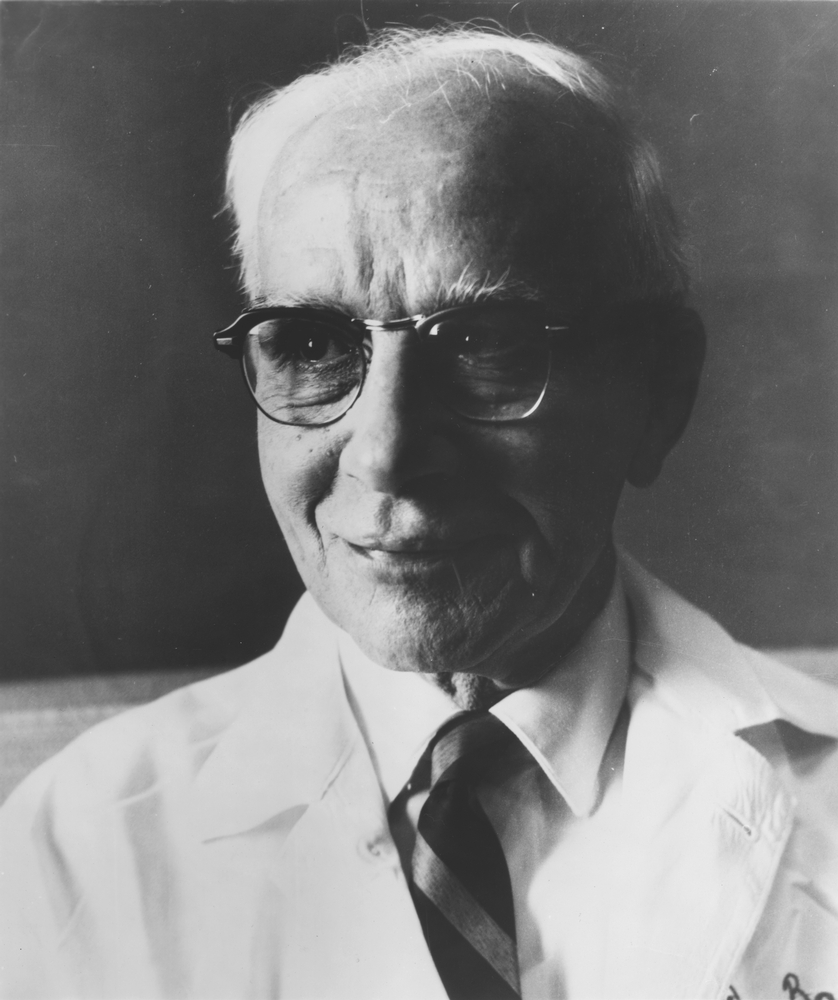
Emmett Bay, Professor of Medicine, who gave
the first lecture during our orientation in which he emphasized the
importance of basic science in the practice of medicine.
| Photograph Date |
1964-11-25 |
| Physical Format |
Photographic prints; 22.8 x 19.2 cm |
| Location |
Chicago, Illinois |
| Collection |
Archival Photographic Files |
| Repository |
University of Chicago Library, Special Collections Research
Center |
| Image Identifier |
apf1-00383 |
|
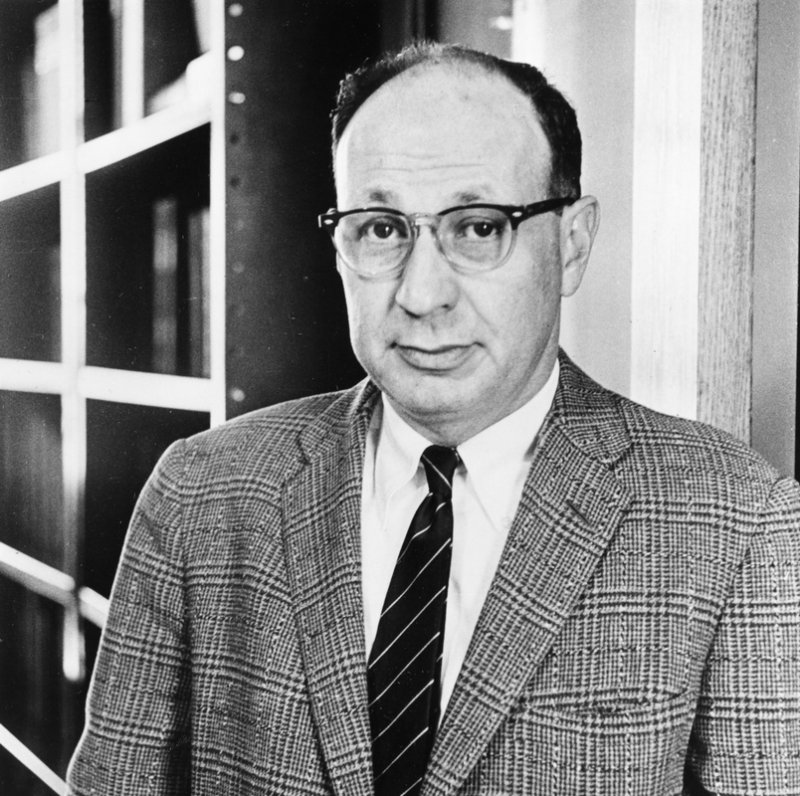
Albert Dorfman, Professor of Pediatrics and
Biochemistry
| Image Identifier |
apf1-05846 |
|
|
|
|
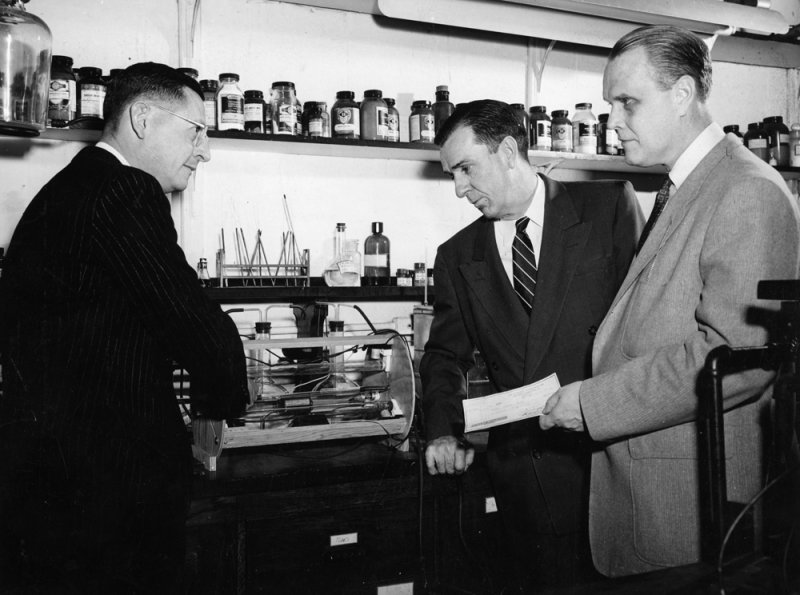
Earl A. Evans Jr., Lowell T. Coggeshall, Unidentified.
Evans was the Chairman of Biochemistry during our biochemistry sojourn
in Abbott Hall
| Image Identifier |
apf1-05997
|
|
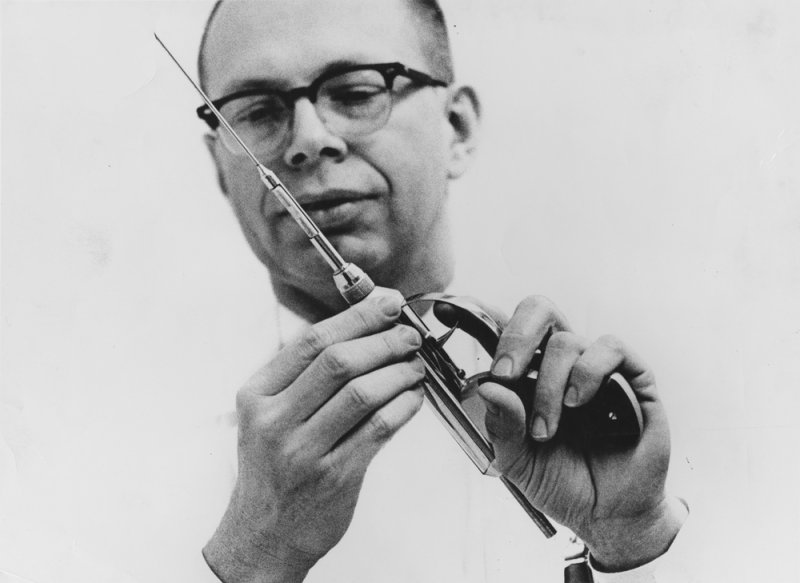
Melvin L. Griem, Professor of Radiology, holding a
chromium wire implantation gun. He always claimed that the U of C
survival statistics were better than Mayo's.
| Image Identifier |
apf7-00327 |
|
|
|
|
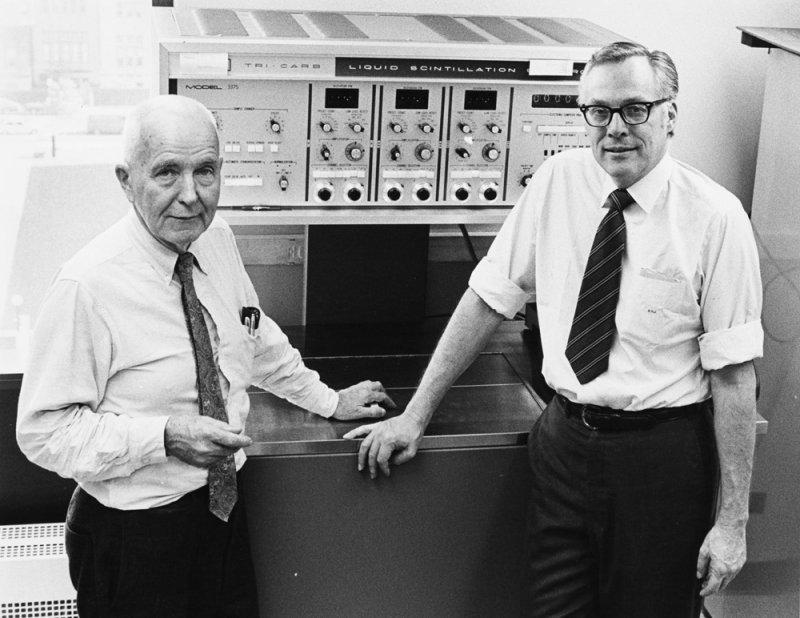
Charles Huggins (Professor of Surgery) and Elwood V.
Jensen (Ben May Laboratory for Cancer Research). Huggins won the Nobel Prize in 1966
for the interrelationship of cancer and hormones initially published in
1941 and Jensen discovered the estrogen receptor. Surprisingly, the
existence of the estrogen receptor was not immediately accepted by the
scientific community and Jensen published his initial studies in 3rd
rate journals because no one else would accept them. They are
standing in from of a Packard Tri-Carb liquid scintillation counter. For
vignettes on Huggins, click here and
here.
| Photograph Date |
ca. 1972 |
| Physical Format |
Photographic prints; 19.2 x 24.1 cm |
| Location |
University of Chicago, Chicago, Illinois |
| Collection |
Archival Photographic Files |
| Repository |
University of Chicago Library, Special Collections
Research Center |
| Image Identifier |
apf1-02909 |
|
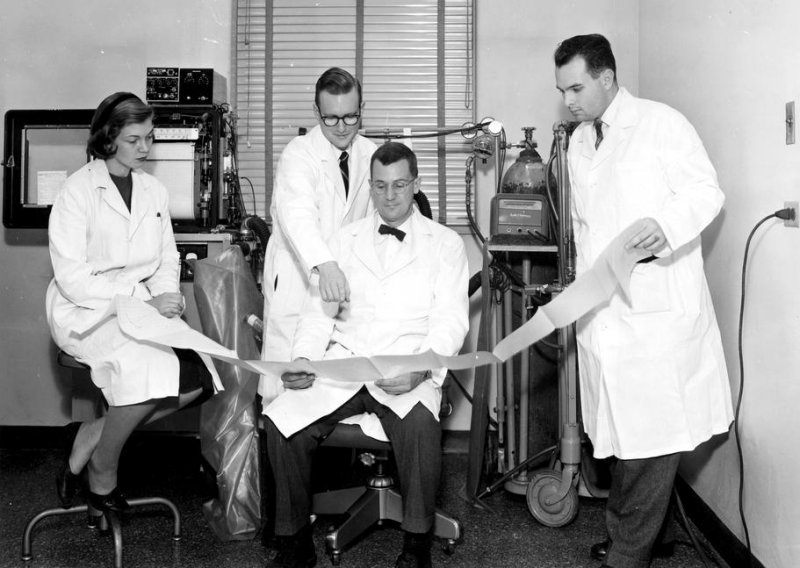
John Forbes Perkins Jr. (seated center), Professor of
Physiology, who taught cardiovascular physiology. He's with the oximeter
that he invented.
| Photograph Date |
1956 |
| Physical Format |
Photographic prints; 11.6 x 16.2 cm |
| Location |
University of Chicago, Chicago, Illinois |
| Collection |
Archival Photographic Files |
| Repository |
University of Chicago Library, Special Collections
Research Center |
| Image Identifier |
apf2-036 |
|
|
|
|
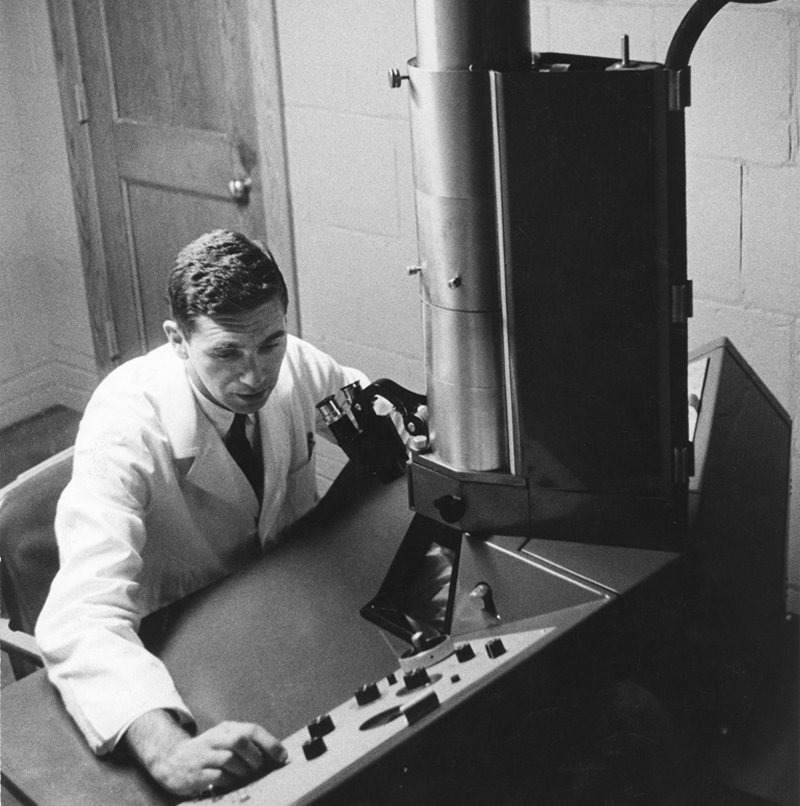
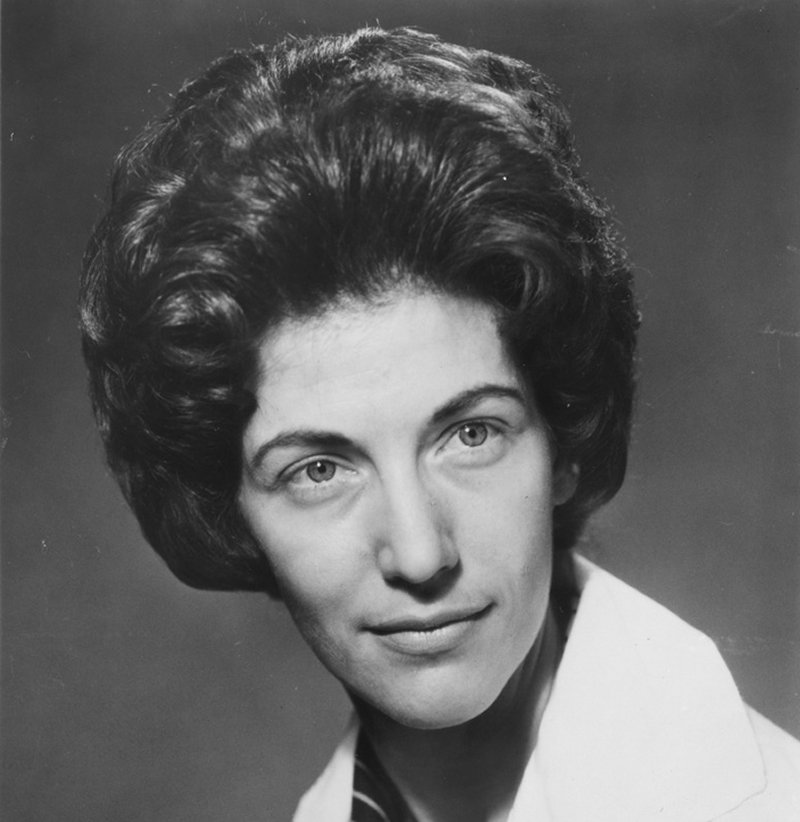
Lloyd M. Kozloff, Professor of Biochemistry, seated at
his electron microscope.
| Image Identifier |
apf1-03551 |
|
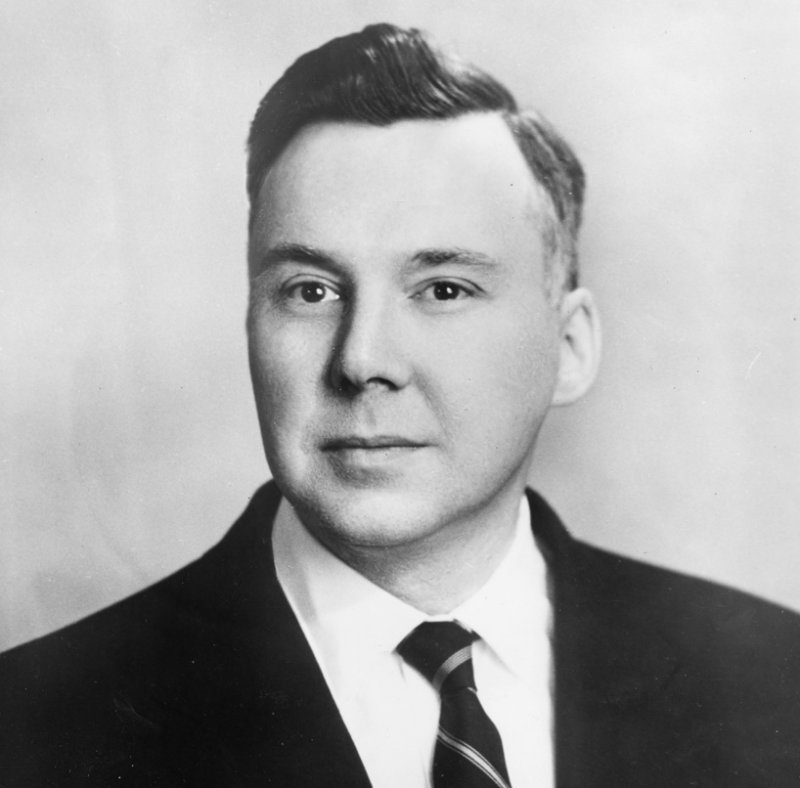
Ann Miller Lawrence, Professor of Medicine,
Endocrinology. When Leon Jacobson introduced her at grand rounds, he
always managed to put his arm around her as he attached a microphone.
| Photograph Date |
1965-04 |
| Physical Format |
Photographic prints; 15.9 x 11.2 cm |
| Location |
University of Chicago, Chicago, Illinois |
| Collection |
Archival Photographic Files |
| Repository |
University of Chicago Library, Special Collections Research
Center |
| Image Identifier |
apf1-03690 |
|
|
|
|
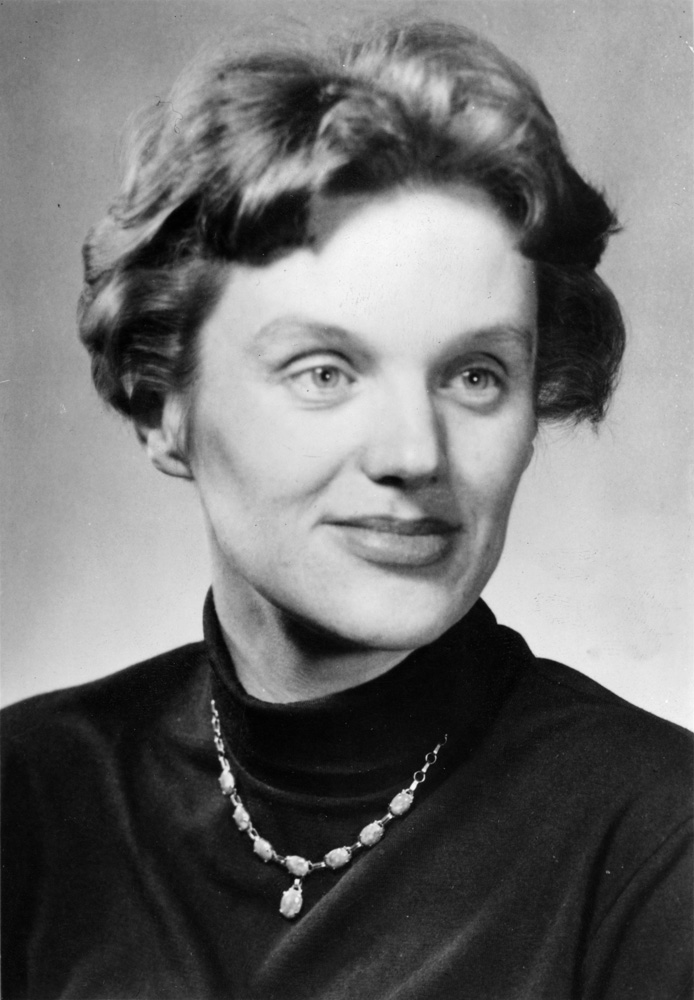
Charles P. McCartney, Professor of Obstetrics and
Gynecology.
| Image Identifier |
apf1-04175 |
|
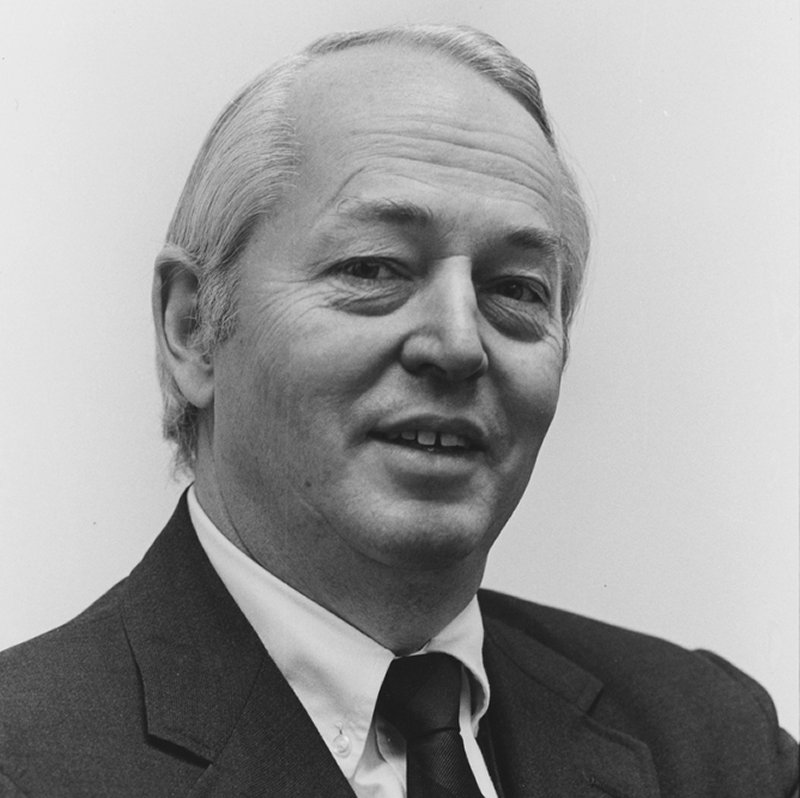
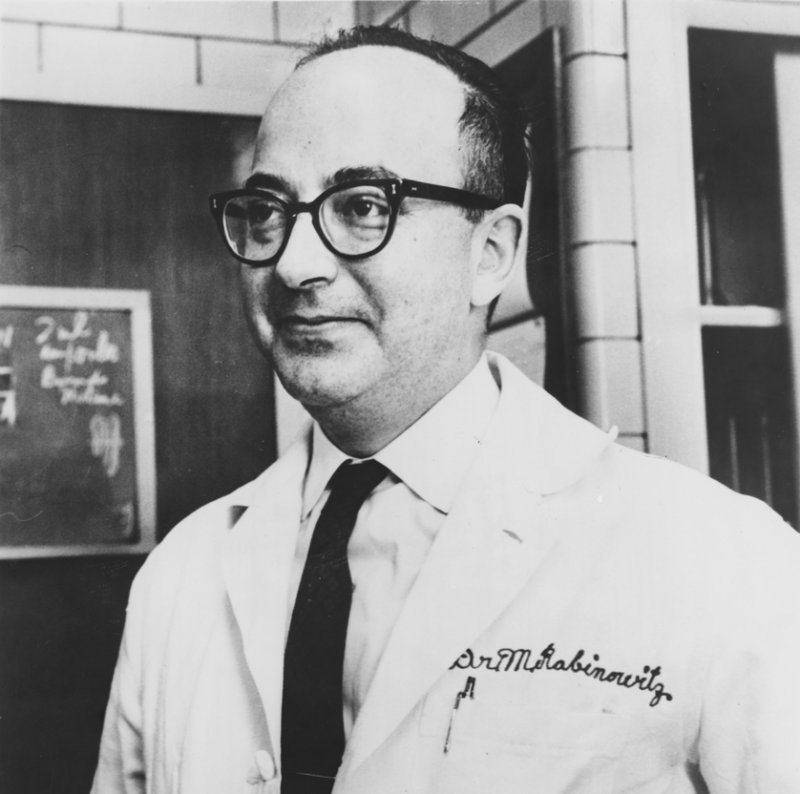
Zelma Molnar (Pathology)
| Image Identifier |
apf1-00885 |
|
|
|
|
Henry Russe, Professor of Medicine
| Image Identifier |
apf7-01154 |
|
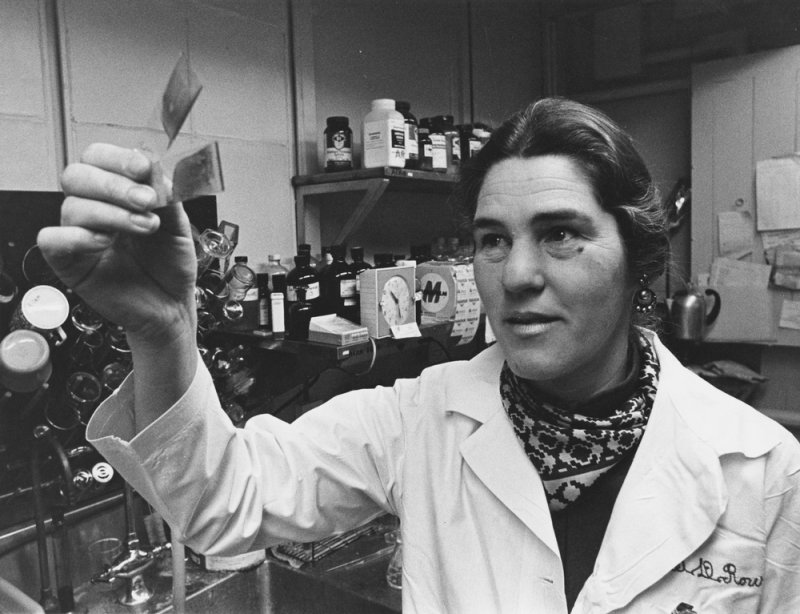
Murray Rabinowitz, Professor of Biochemistry. Rabinowitz,
Samuel Weiss, and Irving Goldberg (all on the U of C Biochemistry
faculty at the time we were there) did post-doctoral work with
Fritz Lipmann at the Rockefeller University about 10 years before me.
Lipmann won the Nobel Prize for discovering coenzyme A and shared the
Prize with Hans Aldoph Krebs (1953). One needs acetyl-CoA as a
two-carbon donor to enter the Krebs cycle and how this occurred was
unknown until Lipmann provided the missing link (acetyl-CoA), which is
required to sustain the pathway.
| Image Identifier |
apf7-00484 |
|
|
|
|
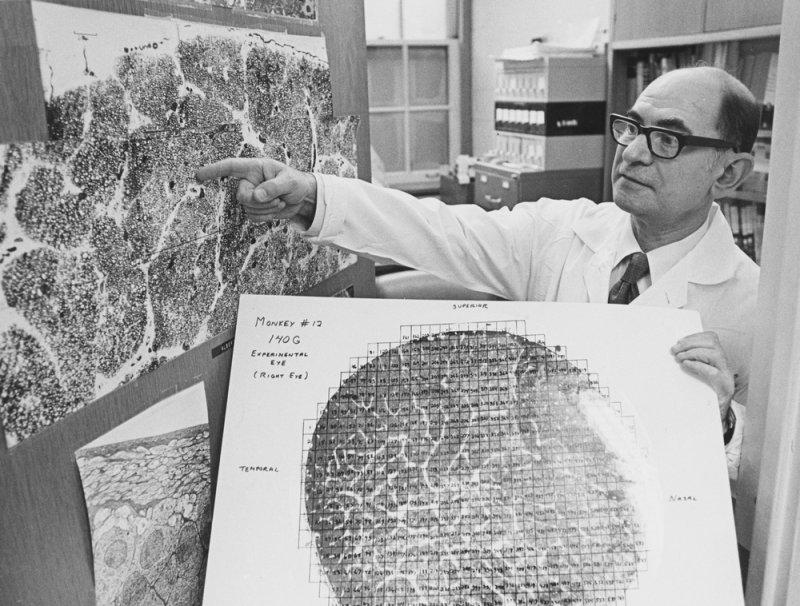
Janet Rowley, the Blum-Riese Distinguished Service
Professor at the University of Chicago. She had to wait a year to be
admitted to the Medical School owing to a quota of three women per
class. As a young faculty person, Leon Jacobson gave her a small office
in the Department of Medicine and paid her enough money so that she
could hire a baby sitter. Subsequently, she elucidated the nature of the
Philadelphia chromosome that is seen in chronic myelogenous leukemia and
became one of the most influential faculty members at the Medical School
with an international reputation.
| Photograph Date |
1980s |
| Physical Format |
Photographic prints; 16.7 x 21.6 cm |
| Location |
University of Chicago, Chicago, Illinois |
| Collection |
Archival Photographic Files |
| Repository |
University of Chicago Library, Special Collections Research
Center |
| Rights and Reproductions |
Copyright held by Chicago Maroon |
| Image Identifier |
apf7-01134 |
|
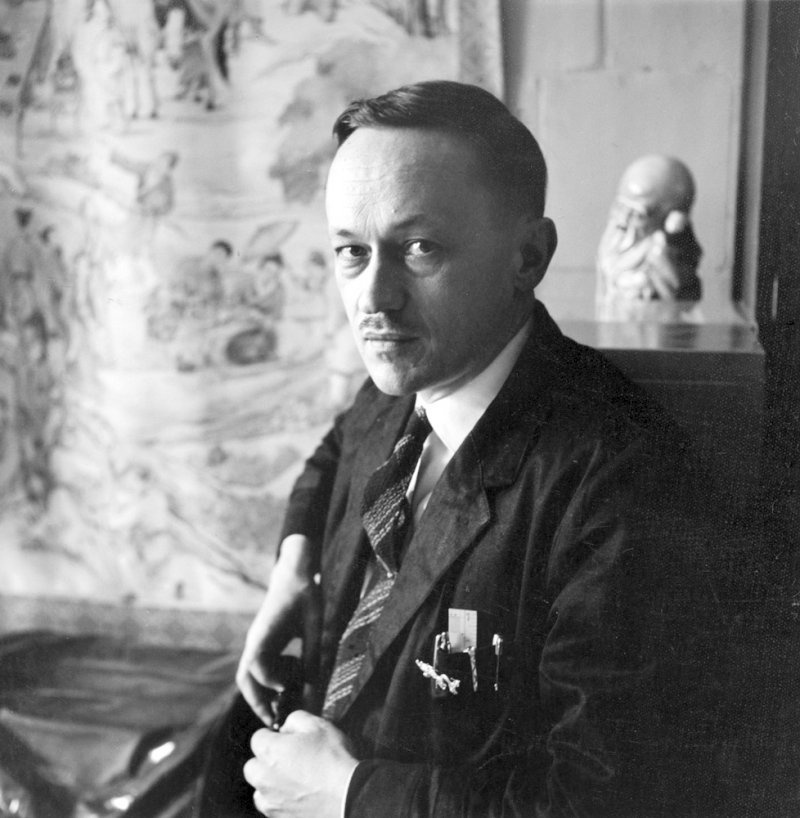
Albert Potts (Professor of Ophthalmology)
| Image Identifier |
apf7-00437 |
|
|
|
|
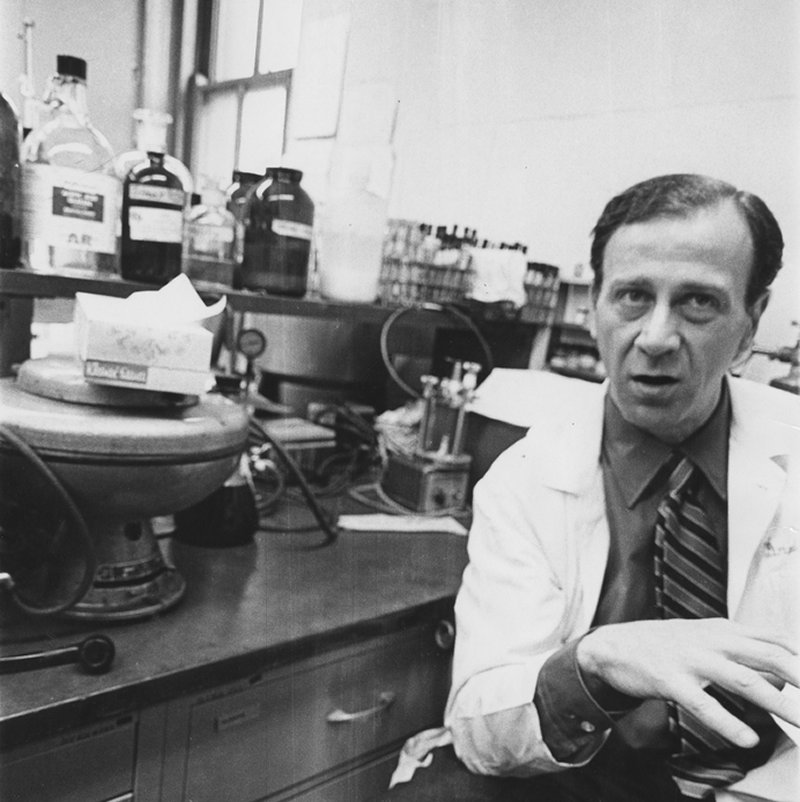
Olaf Skinsnes, Professor of Pathology. Some thought that
his lectures on leprosy were among the best that we had. He received
both the MD and PhD from the University.
| Image Identifier |
apf1-07669 |
|
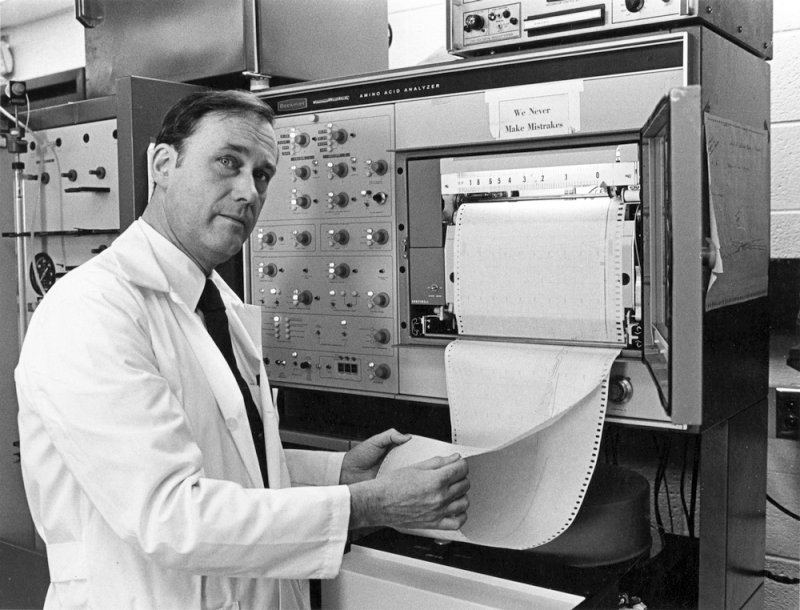
Stanley Yachnin, Professor of Medicine
| Image Identifier |
apf7-01644-002 |
|
|
|
|
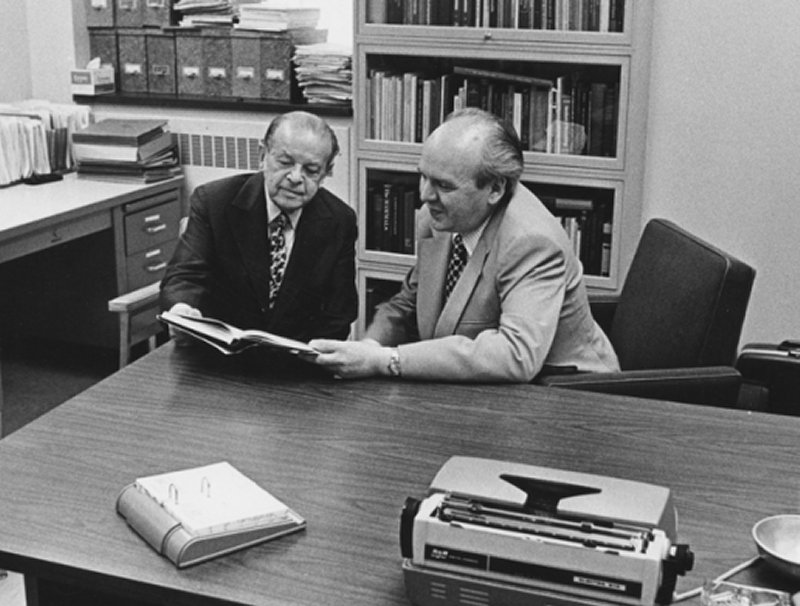
Donald F. Steiner, Professor of Biochemistry and
discoverer of proinsulin. The sign on the amino acid analyzer reads
"We never make mistakes." If you right click on any photo on
this page and select "view image", you will see an enlarged
version. Then click return to get back to this page. As the Chair of
Biochemistry in the 1970s, a sign posted on his door read: "Be
reasonable; do it my way." For a commentary on his life, click here.
| Photograph Date |
1977 |
| Physical Format |
Photographic prints; 16.5 x 21.7 cm |
| Location |
University of Chicago, Chicago, Illinois |
| Collection |
Archival Photographic Files |
| Repository |
University of Chicago Library, Special Collections Research
Center |
| Rights and Reproductions |
Copyright held by Chicago Maroon |
| Image Identifier |
apf7-01325 |
|
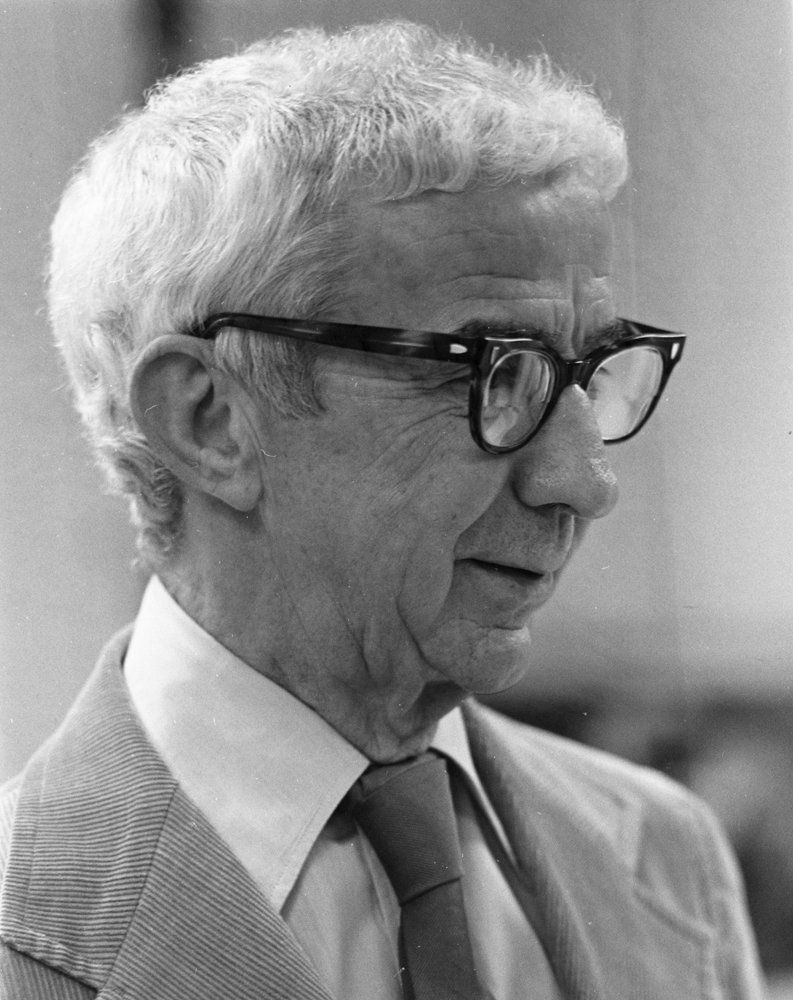
Howard Guy Williams-Ashman (seated on the right),
Professor of Biochemistry and member of the Ben May Laboratory for
Cancer Research, sitting with Maurice Goldblatt of Goldblatt stores.
Goldblatt donated the funds for the Goldblatt Pavilion.
When Goldblatt was a patient he encountered a long wait while getting an
X-ray. He supported the Medical School because he was happy to be treated like an
ordinary person, not a VIP.
| Image Identifier |
apf7-01589 |
|
|
|
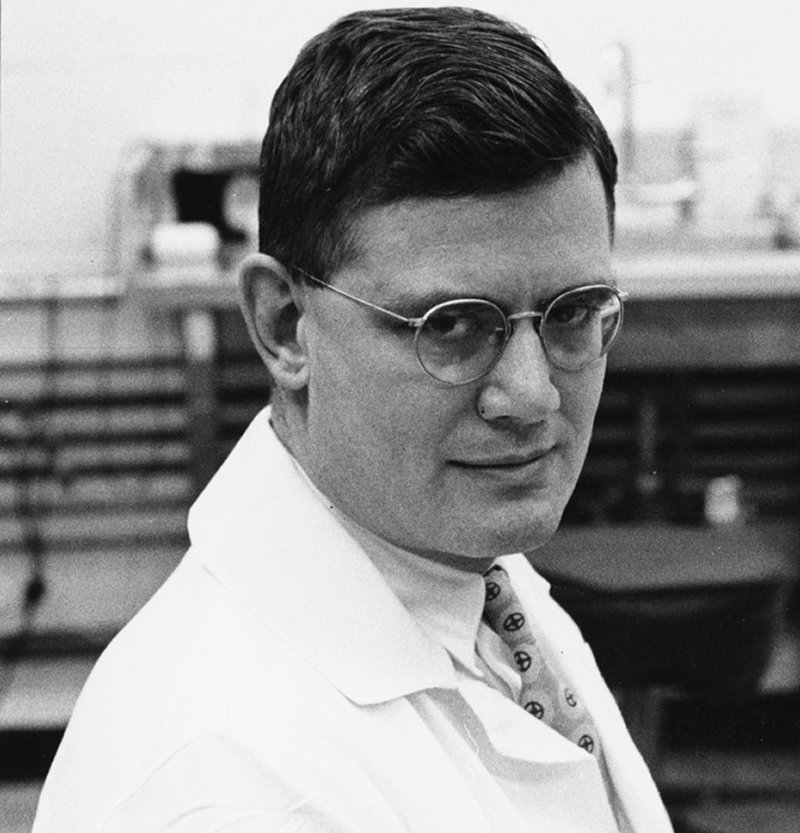
Phillip W. Graff, Professor of Pathology
| Image Identifier |
apf1-06482 |
|
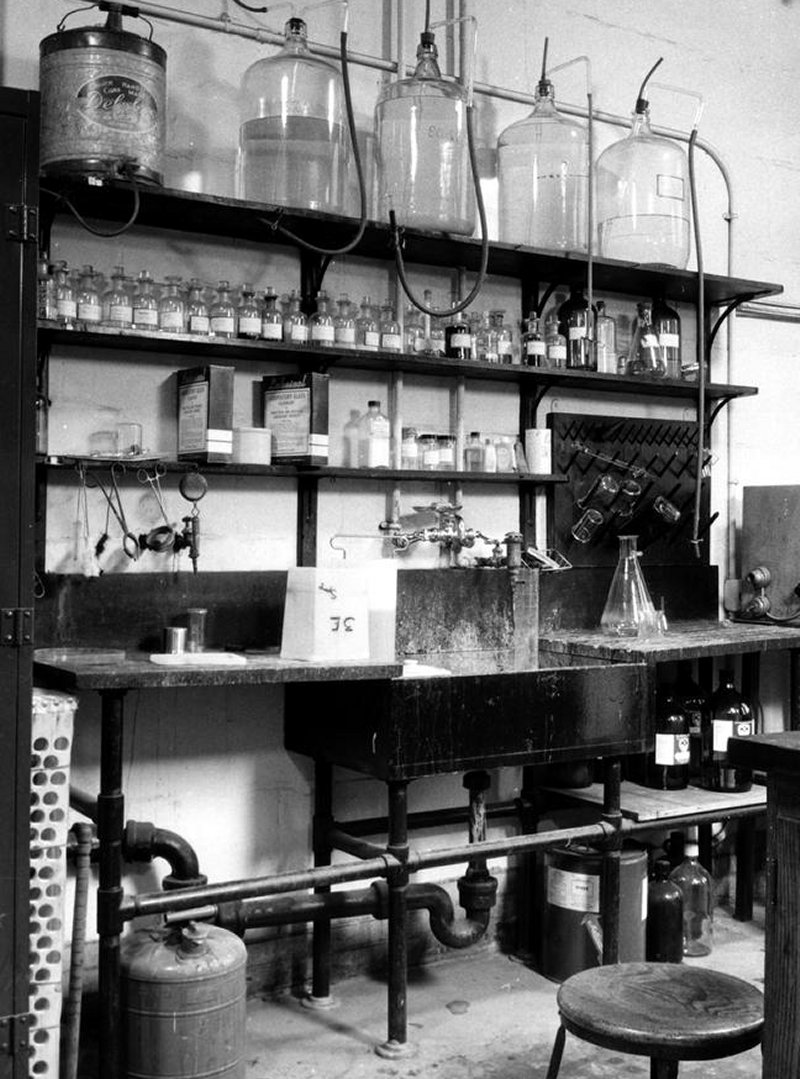
Benjamin Spargo's Lab, Department of Pathology (1957).
Abdollah Sadeghi-Nejad received his MS degree under the tutelage of Dr.
Spargo in 1964. Too bad the Archives lacks a photo of Dr. Spargo at his
electron microscope.
| Image Identifier |
apf2-03652 |
|
|
|
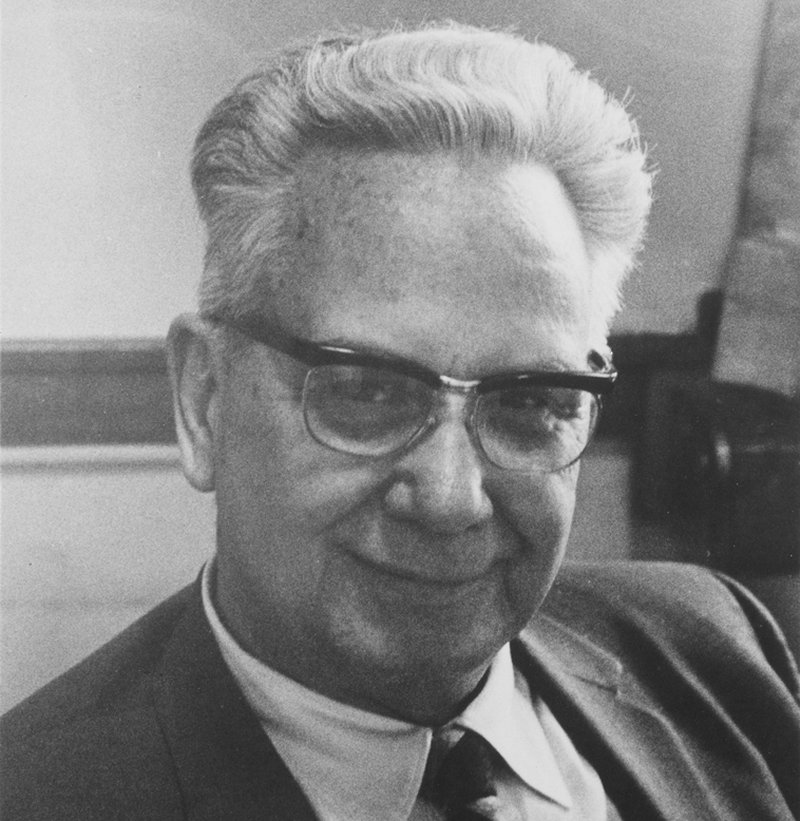
Paul Vincent Harper Jr., Grandson of the first President of the
University and Professor of Surgery and Radiology
| Image Identifier |
apf1-02464 |
|
John H. Rust, Professor of Pharmacology and Radiology
| Image Identifier |
apf7-01157 |
|